5 Common Mistakes People Make When Creating a Funeral Program (And How to Avoid Them)

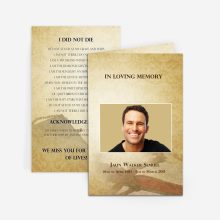
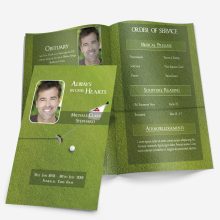
Creating a funeral program can feel overwhelming. Even small mistakes—like misaligned photos or missing service details—can distract from what matters. This guide helps you avoid five of the most common pitfalls, so your memorial program feels thoughtful, accurate, and beautiful.


1. Forgetting the Order of Service

Mistake: Skipping key elements like hymns, readings, or eulogies.
Solution: Always list the sequence of the ceremony (opening music, prayers, eulogy, closing remarks) — this helps attendees follow along.


2. Using Poor‑Quality Images

Mistake: Blurry or low-resolution photos can make programs look unprofessional.
Solution: Use a high-res (300 DPI) photo of your loved one and make sure it’s centered and framed properly.


3. Overcrowding the Layout

Mistake: Too much text, too many fonts or graphics.
Solution: Stick to two fonts maximum and use clean formatting. Consider using a bi‑fold or tri‑fold template with preset layout panels.


4. Ignoring Paper/Print Size

Mistake: Choosing the wrong fold or paper weight, leading to awkward printing.
Solution: Templates often default to 8.5” x 11” bi-fold. Use thicker paper (28 lb+) if printing many copies or working with a local shop.


5. Missing Acknowledgments or Quotes

Mistake: Leaving out family thanks, poems, or Bible verses.
Solution: Include a simple section that thanks family or adds a meaningful quote or verse to add emotional resonance.


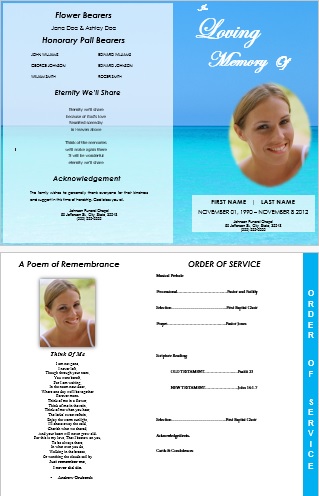
✅ Download Ready‑To‑Edit Templates

Make it easier with fully editable funeral program templates in Word — pre-designed, consistent, and easy to customize.
👉 Browse our printable trauma-free templates

🔗 Related Resources

How to Save Money on Funeral Cards Without Sacrificing Quality

Memorial cards are a touching way to honor a loved one’s life—but they don’t have to be expensive. With printable templates and smart choices, you can create meaningful, professional-looking cards without overspending.


1. Use a Printable Template Instead of a Designer

Custom-designed memorial cards often cost $100–$300 or more. Instead, you can purchase a printable card template and customize it yourself using Microsoft Word or Google Docs.

  • Instant download
  • Full creative control
  • Reuse for other family members

Estimated Savings: $150+


2. Use Our Customization Service (Optional)

If you’re not comfortable editing files, we offer a quick and affordable customization service. You send us the name, dates, photo, and a few details—we handle the rest and return a formatted PDF, ready to print or share.

  • Fast turnaround
  • No design knowledge needed
  • Less than half the cost of custom design agencies

3. Avoid Funeral Home Printing Fees

Funeral homes often mark up printed materials significantly. Instead, use our files at Staples, FedEx, Office Depot, or even a quality home printer. Our templates are optimized for:

  • 8.5″ × 11″ paper
  • Borderless print layout
  • Clean folds and alignment

Pro Tip: Use 28 lb or heavier matte cardstock for a premium look.


4. Combine Memorial Cards with Funeral Programs

Save even more by using a bi-fold program that includes all the memorial card content, plus the service details, order of events, and photo collage.

This eliminates the need for two separate handouts—and often looks more professional.


5. Offer a Digital Version Instead

Many families now offer a digital memorial card by:

  • Emailing a PDF to loved ones
  • Uploading it to a memorial website or obituary
  • Displaying it on a screen at the service

This option avoids all printing costs while still honoring your loved one.


Final Thought: Elegance Doesn’t Have to Be Expensive

Our goal is to help families create beautiful, affordable funeral materials without the stress or high price tags.

Explore our full collection of printable funeral card templates or learn how to make a full funeral program from scratch.

How to Make a Funeral Program in Word (Step-by-Step Guide)

A funeral program is a heartfelt way to honor and remember a loved one. You can easily create a beautiful funeral pamphlet using Microsoft Word by starting with a template, personalizing it with photos, and printing it at home or with a local print shop. Here’s exactly how to make a funeral program in Word, step by step.

Step 1: Choose a Funeral Program Template

  • Open Microsoft Word and search for “funeral program” in the template gallery.
  • Alternatively, download a ready-to-edit funeral program template (recommended for professional design).
  • Pick the size you want — most families use bi-fold (8.5” x 11”) or tri-fold programs.
  • Fastest option: start with our free printable funeral program template and customize.

Step 2: Personalize the Front Cover

  • Add the full name, date of birth, and date of passing.
  • Insert a high-quality photo of your loved one.
  • Include a short phrase such as “In Loving Memory” or “Celebrating the Life of…”.

Step 3: Add the Order of Service

  • Use a simple list format for:
    • Opening music or hymns
    • Welcome message
    • Prayers or readings
    • Eulogy
    • Closing remarks

Step 4: Include Obituary and Tributes

  • Add a short biography or obituary.
  • Include family tributes, quotes, or poems that were meaningful.
  • Keep text concise so it prints cleanly.

Step 5: Review and Print

  • Print a test copy to check for alignment and color accuracy.
  • Use thick paper (at least 28 lb. or cardstock).
  • For large quantities, consider printing at a professional shop.

Tips for Professional Results

  • Use a funeral template with pre-set design elements to save time.
  • Stick to 2–3 fonts for a clean and respectful design.
  • If you’re short on time, consider editable templates you can fill in within minutes.

If you want a detailed overview of all template types and design tips, check out our Complete Guide to Funeral & Memorial Program Templates for inspiration and best practices.

FAQ

Q: Can I make a funeral program for free in Word?
Yes. Microsoft Word has free templates. However, professional templates often have better layouts and designs.

Q: What size should a funeral pamphlet be?
The most common sizes are bi-fold (8.5” x 11”) and tri-fold brochures.

Q: Can I print at home?
Yes, but for 50+ copies, local print shops often have better quality and pricing.

Need an editable, ready-to-use funeral program template?
View our printable funeral templates here →

The Importance of Funeral Cards: Honoring the Departed and Providing Comfort

“Blessed are those who mourn, for they will be comforted.” — Matthew 5:4

Introduction

Funeral cards — also known as memorial cards or remembrance cards — serve as heartfelt keepsakes that honor the life of a loved one while offering comfort to grieving family and friends. These small, tangible tributes hold powerful emotional value and often become cherished mementos in the healing journey after loss.


1. Preserving a Loved One’s Memory

A well-crafted funeral card does more than list a name and date — it captures a life. Featuring a photo, a favorite quote, scripture, or a meaningful poem, it becomes a lasting reminder of the impact your loved one had. Many families keep them tucked into Bibles, scrapbooks, or framed alongside cherished memories.


2. A Personalized Tribute

Funeral cards can be tailored to reflect your loved one’s personality, faith, hobbies, or legacy. Whether it’s a soft pastel floral theme, a bold nature background, or a minimalist black and white design — each element tells a story. Personal touches like a favorite Bible verse or phrase they always said add intimacy and warmth.


3. Tangible Comfort for Mourners

When words fail, something as simple as holding a funeral card with a loved one’s photo offers unexpected comfort. It becomes a source of connection — a reminder that while they may be gone physically, their presence lingers in memory and spirit.


4. A Token of the Service

Funeral cards are often handed out at the service, including important details such as the location, date, and order of service. Later, they serve as a gentle reminder of the ceremony, the prayers shared, and the support received from the community.


5. A Tool for Healing and Reflection

The process of writing or designing a funeral card can be deeply therapeutic. It encourages families to pause and reflect — to celebrate the person beyond their passing. For those receiving it, the card becomes a bridge to remember, grieve, and heal.


6. Family Legacy for Generations

When preserved, funeral cards become pieces of family history. Passed down through generations, they offer glimpses into the lives of those who came before. They help grandchildren and great-grandchildren understand and honor their roots.


7. Building Community and Connection

In a time of grief, support matters. Funeral cards serve as gestures of unity and shared loss. For families, receiving dozens of cards — each with a name and memory — is a powerful reminder that they are not alone.


Funeral cards are more than just paper — they are vessels of love, memory, and hope. Whether you’re creating one yourself or receiving one from someone who cares, these small tributes provide comfort, connection, and lasting meaning.

At FuneralPamphlets.com, we offer customizable, print-ready funeral card templates that help you honor your loved one beautifully — with the dignity and grace they deserve.

Looking for an easy way to create a beautiful memorial keepsake? Our Funeral & Memorial Program Templates Guide shows you how to design and print programs that honor your loved one.

10 Essential Steps for Planning a Meaningful Funeral

Introduction
Losing a loved one is never easy. Planning a meaningful funeral offers an opportunity to honor their life, provide closure for family and friends, and reflect on cherished memories together. While the process can feel overwhelming, breaking it down into clear steps helps create a personal and heartfelt experience. Below are 10 essential steps to guide you through planning a respectful and memorable funeral service.


1. Notify Close Family and Friends

Start by informing immediate family and close friends about the passing. Prioritize a phone call or personal message before posting public announcements. Create a contact list to ensure no one is unintentionally left out.

2. Choose a Funeral Home

Select a funeral home that respects your family’s cultural, religious, and budgetary preferences. Compare services, pricing, location, and reviews to ensure it aligns with your needs.

3. Decide on the Type of Service

Will the event be a traditional funeral, a memorial service, or a celebration of life? Consider what best represents your loved one’s personality and values. Some families may prefer a private gathering; others may wish to include religious or cultural traditions.

4. Determine Burial or Cremation

If your loved one left instructions, follow their wishes. Otherwise, consult with family to decide between burial or cremation. Choose a cemetery plot, urn, or resting place accordingly.

5. Plan the Funeral Ceremony

Work with your funeral director to organize the ceremony’s structure. Decide on:

  • Readings or prayers
  • Music or songs
  • Eulogies or speakers
  • Cultural or spiritual traditions
    Tailor the event to reflect your loved one’s life, values, and beliefs.

6. Create Personalized Funeral Cards or Programs

Funeral cards and programs are meaningful keepsakes for attendees. Include their name, photo, birth and death dates, service details, and a thoughtful message or quote. You can use a celebration of life program template to easily customize a beautiful, print-ready design that reflects your loved one’s memory. These templates are simple to edit and ensure your memorial materials are both heartfelt and professionally formatted.

7. Arrange Guest Logistics

If guests are traveling, provide hotel suggestions and transportation info. For the deceased, arrange any necessary transport between funeral home, ceremony site, and final resting place.

8. Coordinate Pallbearers and Speakers

Choose pallbearers (if applicable) and ask friends or relatives to speak during the service. Eulogies, shared memories, or brief messages of gratitude can provide healing and comfort to everyone attending.

9. Set Up a Memory Table or Tribute Display

Create a display with photos, keepsakes, or items that reflect your loved one’s passions. Consider a digital slideshow, a memorial guestbook, or a framed poem to deepen the personal tribute.

10. Offer Support and Aftercare

Provide grief support resources at the service or online. Encourage mourners to reach out, connect, and share stories. Compassion doesn’t end at the funeral — it’s part of the healing journey.


Conclusion
Planning a funeral doesn’t have to be cold or complicated. When handled with care, it becomes a beautiful way to celebrate a life lived and a legacy left behind. By following these 10 steps, you’ll create a service that honors your loved one with sincerity, dignity, and love.

The Importance of Printable Funeral Cards: Honoring the Memory of Loved Ones

Introduction
Losing someone close to you is never easy. In the midst of grief, planning a funeral can feel overwhelming. One small but meaningful element that brings comfort and helps honor a loved one’s legacy is the funeral card. Whether printed or digital, these personalized keepsakes serve as lasting tributes that offer solace during a time of loss.


What Are Funeral Cards?

Funeral cards — also known as memorial cards or prayer cards — are small, printed or digital keepsakes distributed during a funeral or memorial service. They usually feature:

  • A photo of the deceased
  • Their name, birth and death dates
  • A prayer, verse, or short message
  • Service details (time, date, location)

These cards can be customized to reflect the individual’s life, personality, or beliefs.


Why Funeral Cards Matter

1. A Tangible Reminder
Having something to hold — a photo, a message, a name — brings comfort to those grieving. Funeral cards become treasured keepsakes that help keep memories alive long after the service ends.

2. Clear Communication for Guests
Funeral cards often contain practical information: service time, location, dress code, or special requests. For out-of-town guests or those unfamiliar with funeral etiquette, this guidance is especially helpful.

3. A Way to Connect
Some families invite guests to write short condolence messages or memories on the cards. These heartfelt notes provide comfort and help the family feel supported through the healing process.


Popular Types of Funeral Cards

1. Traditional Printed Cards
These are printed on cardstock and handed out at the service. They’re ideal for guests who want a physical memento.

2. Digital Funeral Cards
Shared via email or social media, these can reach friends and family unable to attend. They’re easily updated and ideal for broader sharing.

3. Printable Funeral Cards (Templates)
Printable cards offer the best of both worlds — custom design and cost-efficiency. Use a customizable funeral card template, add your photo and message, then print at home or a local shop. They’re convenient, personal, and affordable.


Tips for Designing a Meaningful Funeral Card

  • Choose a respectful tone with fonts, colors, and imagery that reflect the person’s personality and beliefs.
  • Include heartfelt wording — such as a favorite quote, a Bible verse, or a short poem.
  • Use high-quality photos for a professional, polished appearance.
  • Consider layout simplicity to ensure readability and emotional impact.

Conclusion

Printable funeral cards are more than just paper — they’re emotional anchors, reminders of love, and personal tributes to a life well lived. Whether printed, shared digitally, or created from a DIY template, these cards provide comfort and connection for everyone attending. In honoring someone’s memory, even the smallest details — like a thoughtfully made funeral card — can mean everything.

How to Save Money on Funeral Cards Without Sacrificing Quality

Planning a memorial service is hard enough — but unexpected costs can quickly add up. Funeral cards, though meaningful, don’t need to be another heavy expense.

The good news? You can still honor your loved one beautifully without overspending.

Here are smart ways to create meaningful funeral or memorial cards on a budget, while ensuring they still feel personal, respectful, and well-designed.


🖨️ 1. Use a Printable Template Instead of Custom Design

Custom-designed cards from funeral homes or designers can cost $100–$300+ depending on design time, edits, and turnaround.

Instead, opt for printable templates — like those in our Funeral Pamphlets store. They start under $20 and give you full control to customize names, photos, poems, and more using Microsoft Word or Google Docs.

Savings: $150+
Bonus: Instant download. No waiting.


👨‍💻 2. Get a Professional Look Without the Professional Price

Want a professionally designed card, but don’t want to DIY?

Use our Customization Service — just send us your info and photos, and we’ll handle it for you. You’ll get a print-ready memorial card within hours, without paying designer rates.

Savings: Compared to a local designer, this can save $100+ per design.


🏪 3. Print at Home or at a Local Office Store

Instead of paying funeral homes inflated printing costs, take your file to:

  • Staples
  • Office Depot
  • FedEx Office
  • Local print shops

Or simply use a home printer and quality cardstock. Most of our templates are optimized for borderless printing on 8.5″x11″ paper (landscape) and fold neatly.


🎁 4. Choose Multipurpose Programs Instead of Separate Cards

Rather than printing memorial cards and a separate obituary program, combine both into a single, bi-fold funeral pamphlet. It saves time, paper, and money — and looks more polished.

See examples in our Funeral Program Templates.


🌐 5. Offer a Digital Version

If printing 50–100 cards is too expensive, you can:

  • Share a PDF version by email
  • Upload it to a memorial website
  • Display it at the service on a screen

This also helps include out-of-town friends or family who can’t attend in person.


💡 Final Thoughts

You don’t need to break the bank to create a beautiful tribute. With the right tools and templates, you can craft heartfelt, personalized funeral cards that honor your loved one — without overspending.

Explore our affordable templates or let us design it for you. Your time and peace of mind are worth it.

How to Create a Custom Funeral Card That Honors a Life Well Lived

Creating a custom funeral card is one of the simplest yet most heartfelt ways to honor a loved one’s memory. These keepsake cards — often handed out during funeral or memorial services — serve as a lasting tribute and reminder of a life that touched many.

Whether you’re designing the card yourself or seeking a professional template, this guide will walk you through everything you need to create a meaningful and beautiful funeral card.


🕊️ What Is a Funeral Card?

A funeral card, also called a memorial card, is a small printed card (often 4″x6″ or 5″x7″) that includes:

  • A photo of the deceased
  • Their name, birth, and death dates
  • A short tribute, poem, or scripture
  • The funeral or memorial service details

These cards are typically distributed at the service and kept as a personal memento by guests.


✍️ What to Include in a Custom Funeral Card

Here’s what most people include in a custom memorial card:

  1. Front of the Card:
    • High-quality photo
    • Full name
    • Sunrise/Sunset dates
    • Optional phrase (e.g. “Forever In Our Hearts”)
  2. Back or Inside:
    • Favorite prayer, Bible verse (Matthew 5:4 is beautiful: “Blessed are those who mourn…”)
    • Short obituary, quote, or family message
    • Location and date of the funeral service
    • Acknowledgments or thanks
  3. Design Tips:
    • Stick to soft, respectful tones (white, cream, pastels)
    • Use a clear, legible font
    • Include borders, floral artwork, or background texture to personalize

🛠️ How to Design One

funeral card example

You can choose from two main routes:

🔹 1. Use a Template (Fastest + Most Affordable)

Our funeral card templates are easy to use in Microsoft Word or Google Docs and can be printed at home or any print shop. Just insert your photo and text.

🔹 2. Let Us Design It For You (Completely Hands-Off)

Don’t have time or energy to design it yourself? No problem. Our Customization Service lets you submit a photo + details, and we’ll deliver your card print-ready within hours — perfect for stress-free planning.


🖨️ How to Print Your Funeral Cards

  • Best size: 4″x6″ or 5″x7″
  • Paper: Use matte or soft gloss cardstock
  • Print at home or order prints at a local shop (e.g. Staples, OfficeMax)

💡 You can also slip the funeral card into a bi-fold funeral program for a complete presentation.


🙏 Final Thoughts

A simple card can become a powerful keepsake. It holds memories, honors faith, and offers comfort during a difficult time. By creating a custom funeral card, you’re not just printing paper — you’re giving family and friends something they can carry forward in their hearts.

Let us help you make it perfect.


🔗 Useful Resources:

How to Make a Funeral Pamphlet (Step-by-Step Guide)

Creating a funeral pamphlet during a time of loss can feel overwhelming — but it doesn’t have to be. A well-designed funeral program offers more than just an outline of the service; it becomes a keepsake for family and friends, honoring the life and memory of your loved one.

Whether you’re making one from scratch or using a pre-designed template, this guide will walk you through exactly how to make a funeral pamphlet — beautifully, respectfully, and efficiently.


📄 What Is a Funeral Pamphlet?

A funeral pamphlet, also called a memorial program or funeral bulletin, is a printed handout given to guests at a funeral or celebration of life. It typically includes:

  • The order of service
  • A photo of the deceased
  • Obituary or life summary
  • Poems, scriptures, or personal notes
  • Names of speakers, musicians, and pallbearers

✍️ Step 1: Choose Your Format

There are a few common layouts:

  • Bi-Fold Pamphlet (Single Sheet Folded in Half) — Classic, simple layout (4 pages: front cover, inside left/right, and back)
  • Tri-Fold Pamphlet — 6 panels, good for more content or design-heavy programs
  • Booklet (8 pages or more) — Best for long obituaries or family tributes

💡 Pro Tip: For most services, a bi-fold format is ideal — simple to print and easy to hand out.


🖥️ Step 2: Select a Template

Unless you’re a designer, starting from scratch can be frustrating. That’s why we offer funeral program templates that are:

  • Instantly downloadable
  • Easy to edit in Microsoft Word
  • Professionally designed
  • Compatible with home or print shop printing

👉 You can also start with our free sample template


🧾 Step 3: Gather Content

Prepare the following elements:

  • Full name of the deceased
  • Birth and death dates
  • High-quality photo
  • Service location, date, and time
  • Order of events
  • Obituary or life story
  • Special messages, quotes, or Bible verses (e.g. “Blessed are those who mourn” – Matthew 5:4)
  • Acknowledgments or thank-yous
  • List of pallbearers or speakers (optional)

🖋️ Step 4: Customize the Pamphlet

Using Microsoft Word (or your preferred editor):

  1. Replace placeholder text with your loved one’s info
  2. Insert their photo into the designated area
  3. Adjust fonts or colors if needed — stick to readable and respectful designs
  4. Double-check spelling and spacing

💡 If editing sounds difficult, we also offer a customization service that delivers your print-ready file in hours — just send us your info.


🖨️ Step 5: Print and Distribute

  • Use semi-gloss or matte paper for a professional feel
  • Set printer to “Landscape” mode for bi-fold layouts
  • You can print at home or at stores like Staples or Office Depot

🙏 Final Thoughts

Creating a funeral program is one of the most personal, touching ways to honor a life well lived. Whether you’re planning a traditional service, memorial, or celebration of life, a thoughtfully designed pamphlet helps everyone reflect, remember, and say goodbye.

If you need support, we’re here to help — from templates to printing tips to full customization services.


🔗 Useful Resources

50 Creative Memorial Ideas to Celebrate a Loved One’s Life

Planning a funeral or celebration of life is never easy — but finding unique memorial ideas can help honor your loved one’s memory in a personal, meaningful way.

Whether you’re hosting a small family gathering or a large memorial service, these 50 ideas can help you create a tribute that reflects their personality, passions, and legacy.


🎨 Creative Display Ideas

Family honoring loved one with personal items during a memorial service
Create a memory table that reflects their passions and journey
  1. Memory Table — Feature photos, favorite items, and keepsakes

  2. Photo Collage Board — Create a visual timeline of their life

  3. Slideshow Video Tribute — Combine music, photos, and memories

  4. Memory Jar — Guests write a note or story and place it in the jar

  5. Framed Quotes — Showcase favorite sayings or Bible verses

  6. Custom Portrait — Commission an artwork or AI-stylized image

  7. Timeline Banner — Highlight key moments from birth to legacy

  8. Favorite Things Table — Display items they loved (sports, crafts, etc.)

  9. Map Display — Pin places they lived or traveled

  10. “In Their Shoes” Table — Set out their signature shoes, hat, or accessories


🌿 Natural & Outdoor Tributes

Memorial garden flower tribute in honor of loved one

  1. Tree Planting Ceremony — Symbolize life and growth

  2. Release Butterflies or Doves — Visual, peaceful tribute

  3. River Rock Messages — Guests write notes on stones

  4. Lantern Release — Light floating lanterns at dusk

  5. Memorial Garden — Create a quiet space in their honor

  6. Candle Walk — Nighttime walk with candles for reflection

  7. Wind Chime Keepsake — Personalized sound that lingers

  8. Beach Sand Tribute — Write messages in the sand

  9. Ashes in a Biodegradable Urn — Eco-conscious tribute

  10. Outdoor Picnic Celebration — Casual, family-style memorial


📖 Guest Involvement Ideas

  1. Open Mic Storytelling — Let attendees share memories

  2. Message Board or Canvas — Guests write notes or sign

  3. Fingerprint Tree Art — Guests leave prints as leaves

  4. Memory Quilt Squares — Everyone contributes a patch

  5. Song Dedications — Guests choose songs to be played

  6. Prayer Circle or Blessing — Unified moment of peace

  7. Blessing Stones — Guests pass and whisper blessings

  8. Photo Booth with Props — Lighthearted way to remember

  9. Recipe Exchange — Share favorite family dishes

  10. Handwritten Letters — Attendees bring or write on site


🎁 Memorial Keepsakes

  1. Custom Memorial BookletsSee funeral program templates here
    New to layout? Learn the difference between bi-fold, tri-fold, and graduated layouts.

  2. Photo Memory Cards — Printed mini-memories to take home

  3. Seed Packets — Guests plant flowers in their memory

  4. Keychains or Bracelets — Wearable mementos

  5. Personalized Candles — Light in remembrance

  6. Bookmarks with Quotes — Useful and symbolic

  7. Framed Obituary or Poem — Lasting tribute

  8. Memorial Magnets — For fridge or locker remembrance

  9. USB with Tribute Video — Take-home digital keepsake

  10. Pocket Stones or Charms — Small items for reflection

If you need a handout for the service, download our free funeral program template (Microsoft Word)


📱 Digital Memorial Ideas

  1. Online Memory Wall — Share stories, photos, and condolences

  2. Hashtag Tribute (#Remember[Name]) — Collect social memories

  3. Livestream the Service — Include remote loved ones

  4. Digital Guestbook — Accessible long after the event

  5. AI Voice Message Recreation — Send as a final message

  6. Google Photo Album — Collaborative photo sharing

  7. Virtual Candle Lighting — Through an app or site

  8. Voice Memo Board — Record and play back stories

  9. QR Code Memorial Cards — Scan to view photos, videos, or a tribute page

  10. Legacy Video Interview — Share their life story in their own words

Planning a memorial is easier when you have a thoughtful program to guide attendees.
Learn how to create one step-by-step in our
Complete Guide to Funeral & Memorial Program Templates.

Planning a Cremation or Funeral Service: A Guide to Honoring Your Loved One

Organizing a cremation or funeral service can feel overwhelming—especially while grieving. Whether you’re planning a traditional burial, cremation, or memorial, the goal is to honor your loved one in a meaningful way while supporting those who mourn.

Here’s a clear, step-by-step guide to help you through the process.


⚰️ Step 1: Choose Between Cremation and Burial

The first decision is whether to go with a traditional burial or cremation. Consider:

  • Religious beliefs

  • Personal wishes of the deceased

  • Cost

  • Environmental factors

💡 Cremation is often more affordable and flexible, while burial allows for a permanent memorial site.


📋 Step 2: Select a Funeral Home or Cremation Provider

Do your research and compare:

  • Price transparency

  • Services offered (viewing, embalming, transportation)

  • Reviews and reputation

Ask for a General Price List (GPL) — required by law — to understand your options.


💒 Step 3: Decide on the Type of Service

Common types include:

  • Traditional Funeral Service (with casket present)

  • Memorial Service (without remains present)

  • Graveside Service

  • Celebration of Life

Each option allows for personal touches such as readings, music, or photo displays.


🕯️ Step 4: Personalize the Ceremony

Make the service a reflection of the person’s life:

  • Display a memorial table with photos and keepsakes

  • Play their favorite songs or hymns

  • Invite family and friends to share memories

You may also prepare printed funeral programs to guide attendees and preserve memories. (We offer customizable templates — learn more here.)


📝 Step 5: Handle Legal & Administrative Details

Don’t forget to:

  • Obtain the death certificate (ask your provider)

  • Notify Social Security and relevant agencies

  • Close accounts, handle insurance, and review the will


🧘 Step 6: Support Yourself and Others

Grief doesn’t follow a schedule. After the service:

  • Lean on support groups, family, or a therapist

  • Send thank-you notes to those who helped

  • Consider creating a digital memory page or tribute


Need Help Creating a Funeral Program?

Creating a printed program can feel like “one more thing” during a difficult time. We offer:

  • Free and premium templates for Microsoft Word

  • Same-day customization services

  • Photo restoration and editing to preserve cherished memories

👉 Browse funeral templates
👉 Learn about photo restoration


Final Thoughts

No two lives are the same — and neither are the ceremonies that honor them. Whether you choose cremation or a traditional burial, what matters most is creating space to grieve, remember, and celebrate your loved one’s legacy.

“Blessed are those who mourn, for they shall be comforted.” — Matthew 5:4

New Year, New Website Design

Happy New Year!!

We’re starting off the new year by launching a new website design, we hope you like it! The site is now fully responsive to mobile devices and navigating the website is much smoother.

There will also be over a hundred new beautifully designed templates uploaded over the course of the month.

Best Regards,

Funeral Pamphlets